Pattaya vs Bangkok Real Estate: Why Pattaya Could Be the Smarter Investment
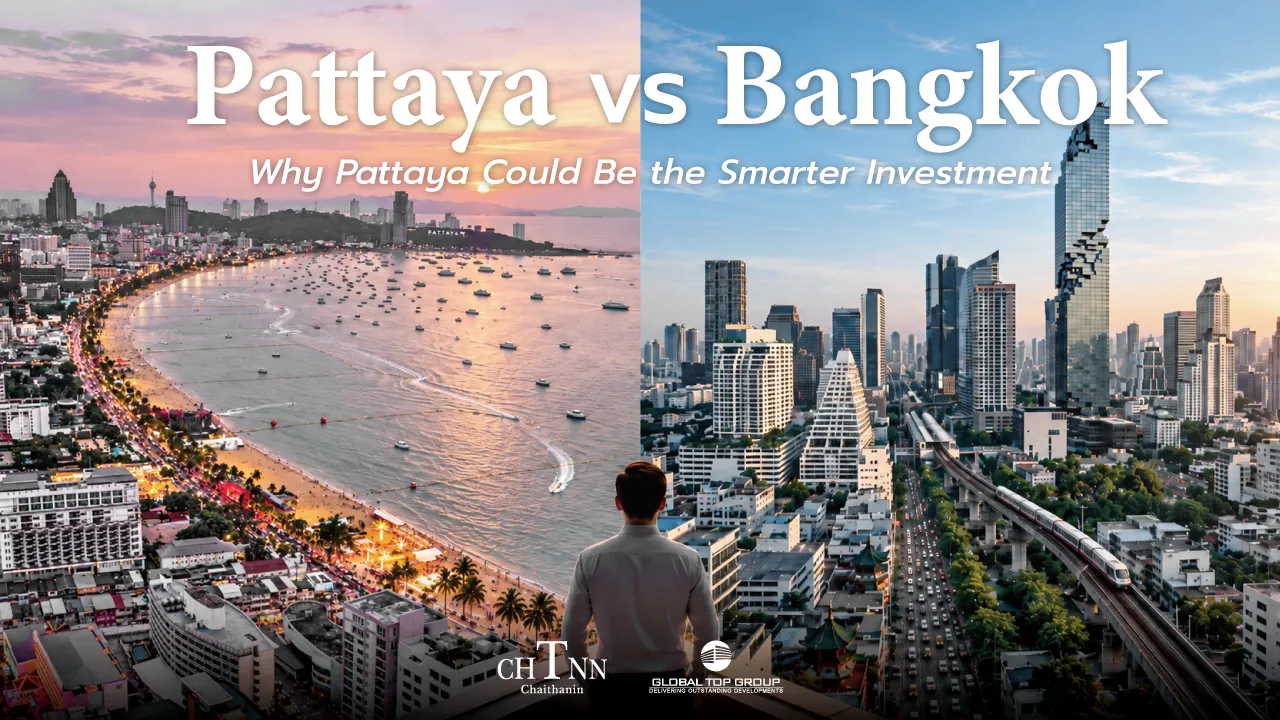
Pattaya vs Bangkok Real Estate: Why Pattaya Could Be the Smarter Investment in 2027
When investing in Thai real estate, Bangkok is often the first destination that comes to mind. As the country’s capital and largest commercial centre, it offers extensive infrastructure, business opportunities, and a diverse property market. However, for investors looking beyond the capital, Pattaya presents an alternative worth serious consideration.
From its coastal lifestyle and tourism-driven economy to its position within Thailand’s Eastern Economic Corridor (EEC), Pattaya offers several characteristics that may appeal to property investors. One consideration deserves particular attention: flood risk and the long-term resilience of a property investment.
While neither city is immune to flooding, understanding how local geography, drainage infrastructure, and individual property locations affect exposure can help investors make more informed decisions.
This guide examines property choices, rental demand, lifestyle, regional development, and location-specific flood risk. Neither city is the better investment in every case; the decision depends on the individual property and your goals.
1. Pattaya’s Lifestyle That Translates into Potential Rental Demand
Beyond environmental considerations, Pattaya’s lifestyle appeal is another reason investors may consider the city.
Unlike Bangkok’s predominantly metropolitan setting, Pattaya combines residential communities, beaches, restaurants, shopping centres, entertainment, and leisure facilities within a coastal destination.
This combination can appeal to several types of tenants, including retirees, expatriates, professionals, second-home buyers, and domestic and international tourists.
For investors, a broad potential tenant and buyer base can create different opportunities depending on the property’s location and target market.
Properties near established amenities, transport connections, business districts, and leisure destinations may appeal to longer-term residents, while selected locations may also attract short-term visitors where permitted.
Of course, rental performance depends on factors such as purchase price, competition, occupancy, management quality, and applicable rental regulations. A coastal location alone does not guarantee strong returns.
2. The Eastern Economic Corridor Supports Pattaya’s Long-Term Potential
Pattaya is located in Chonburi province, within Thailand’s Eastern Economic Corridor, which also covers Rayong and Chachoengsao.
The EEC is a government-led economic development initiative focused on infrastructure, targeted industries, technology, logistics, and future-oriented services. Its development framework also includes efforts to improve urban environments and quality of life.
For property investors, regional economic development is worth monitoring because employment opportunities, business activity, and infrastructure improvements can influence where people choose to live and work.
Pattaya’s connection to the wider Eastern Seaboard economy gives investors another factor to consider beyond tourism alone.
However, economic growth does not automatically translate into higher property prices. Investors should examine completed infrastructure, realistic development timelines, local housing demand, and the supply of competing properties before estimating future capital appreciation.
3. Pattaya Provides a Different Range of Property Investment Opportunities

Bangkok offers a large and diverse property market, including condominiums near public transport, central business district residences, and suburban housing developments.
Pattaya offers a different mix of opportunities, like beachfront condominiums such as Paradise Ocean View or pool villas such as Lumina Luxury Pool Villa designed for longer-term living.
The right choice depends on an investor’s budget, investment horizon, and preferred strategy.
For example, an investor prioritising a coastal lifestyle may favour a condominium near established amenities. Someone seeking a family-oriented property may instead consider a residential neighbourhood with convenient access to schools, healthcare, and major roads.
In either market, a property’s fundamentals remain essential. Investors should compare the total acquisition cost, ongoing fees, realistic rental income, vacancy risk, maintenance requirements, and resale demand rather than relying on headline prices or projected yields alone.
4. Everyday Amenities and Long-Term Living
For a property intended as a future home or long-term rental, daily convenience can matter as much as the view. Assess how the neighbourhood supports the routines of the intended residents.
Consider retirement, family living, and longer-term rental needs separately; each may require a different layout, location, and level of building service.
The city’s appeal is not limited to beach access. Healthcare facilities, shopping, restaurants, transport connections, and daily conveniences also influence residential demand.
When evaluating a property, investors should consider how these amenities support its intended use. A property that suits long-term residents may have different advantages from one aimed primarily at holidaymakers.
It is equally important to assess practical considerations such as seasonal rainfall, local road conditions, noise, building maintenance, and access to essential services.
5. Flood Risk: An Important Consideration for Property Investors
Flooding can affect more than a property’s immediate condition. Depending on the severity and duration of an event, it can disrupt transport, limit access to buildings, damage facilities, interrupt rental operations, and increase maintenance costs. Repeated flooding may also influence a property’s attractiveness to future tenants and buyers.
For this reason, environmental risk should be part of any long-term property investment strategy.
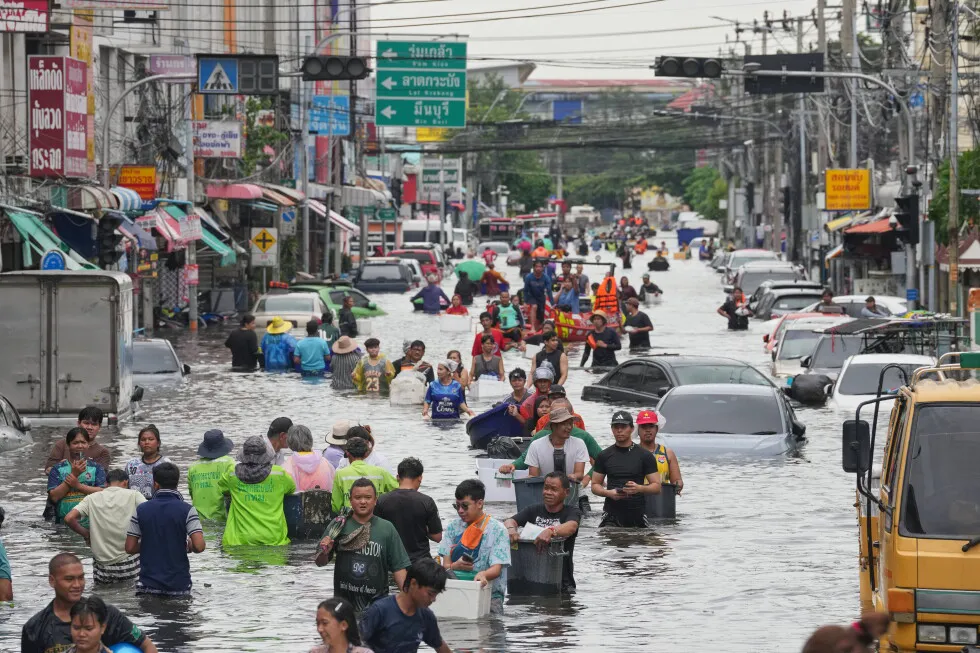
Bangkok: A Metropolitan City Facing Complex Water Management Challenges
Bangkok’s geography presents several challenges for flood management. Much of the city lies on the low-lying Chao Phraya River plain, and its water management requirements include river flooding, heavy rainfall, drainage capacity, and water flowing through surrounding areas.
The city’s extensive urban development adds further complexity. Dense construction and large areas of paved surfaces can limit natural water absorption, while heavy rainfall can place pressure on drainage systems.
Flooding does not affect every Bangkok neighbourhood equally, and many properties benefit from effective drainage, flood protection, and building design. Nevertheless, investors should carefully assess a property’s elevation, historical flood exposure, surrounding roads, and access to essential services before making a purchase.
For investors seeking stable rental demand and long-term value, understanding how a property’s location performs during the rainy season is therefore an important part of due diligence. Evaluating local infrastructure, drainage improvements, and the area’s flood mitigation measures can help investors make more informed decisions and identify properties better suited to their investment objectives.
Pattaya: A Different Setting for Property Investment
Pattaya offers a different urban and geographical setting from Bangkok’s extensive river plain. For investors considering coastal and hillside locations, this creates opportunities to evaluate properties with different elevation profiles and local drainage conditions.
However, Pattaya is not flood-free. Heavy rainfall can cause flash flooding and temporary road inundation in certain areas, particularly where drainage capacity is limited or water collects in low-lying locations.
The key is to avoid treating either city as a single, uniform flood-risk zone. Instead, investors should compare the specific neighbourhoods and developments they are considering.
A condominium on higher ground may have less exposure to some forms of surface flooding, but access roads, basement parking, pumps, and electrical systems still require inspection.
For property investors, the real advantage lies in identifying locations with lower flood exposure, rather than assuming that every property in one city is safer than every property in another.
How Flood Risk Can Affect Long-Term Returns
A property’s investment performance depends on more than its purchase price and expected rental income. Investors should also consider the costs and risks that could affect their returns over time.
Flood-related considerations include:
- Maintenance and repair costs: Water damage can affect building facilities, electrical systems, parking areas, and common spaces.
- Rental continuity: Flooded access roads can make it difficult for residents and holidaymakers to reach a property.
- Insurance considerations: Coverage, exclusions, and premiums may vary according to the property and its exposure.
- Resale appeal: Buyers may scrutinise a property’s history of flooding and the effectiveness of its mitigation measures.
- Building resilience: Elevation, drainage design, flood barriers, and the management of shared facilities can influence a property’s ability to withstand heavy rainfall.
Before investing in either Pattaya or Bangkok, buyers should review local flood records, inspect the property during the rainy season where possible, and understand the building’s drainage and maintenance arrangements.
6. How to Evaluate Flood Risk Before Buying Property in Pattaya
Whether you are considering Pattaya or Bangkok, investigate flood exposure at both the property and neighbourhood level.
Here are five practical checks to complete before purchasing:
- Review the property’s elevation.
Compare the building and surrounding roads with nearby terrain. Higher ground can reduce exposure to certain types of surface flooding, although it does not eliminate every flood risk. - Investigate the area’s flooding history.
Ask local residents, building management, and experienced property professionals about previous flooding, including how high the water reached and how long it took to drain. - Inspect drainage and access roads.
Check stormwater drains, basement entrances, parking areas, and the roads connecting the property to main routes. A building may remain dry while surrounding streets become temporarily impassable. - Examine building management and maintenance.
For condominiums, review the maintenance of drainage systems, pumps, underground parking, and other shared infrastructure. For houses and pool villas, examine the plot’s grading and drainage arrangements. - Review insurance and ownership costs.
Confirm available insurance coverage and exclusions, condominium fees, maintenance obligations, and any additional measures needed to reduce environmental risks.
These checks can help investors distinguish properties with stronger risk-management characteristics from those that may require additional caution.
Pattaya vs Bangkok: Which Is the Better Property Investment?
There is no universal answer. Bangkok may suit investors seeking exposure to a large metropolitan economy, established business districts, and properties connected to extensive public transport networks.
Pattaya may appeal to those who prefer a coastal setting, tourism-related demand, and opportunities linked to the wider Eastern Economic Corridor.
Flood risk should be part of the comparison, but it should not be the only deciding factor. Both cities contain properties with different levels of exposure, and local conditions matter more than a city-wide generalisation.
A well-selected Pattaya property with strong fundamentals and manageable environmental risks may be a compelling investment. Equally, a carefully selected Bangkok property can offer attractive prospects.
The most effective approach is to compare specific properties based on location, flood history, building resilience, rental demand, acquisition costs, and long-term plans.
Conclusion: Look Beyond the Purchase Price
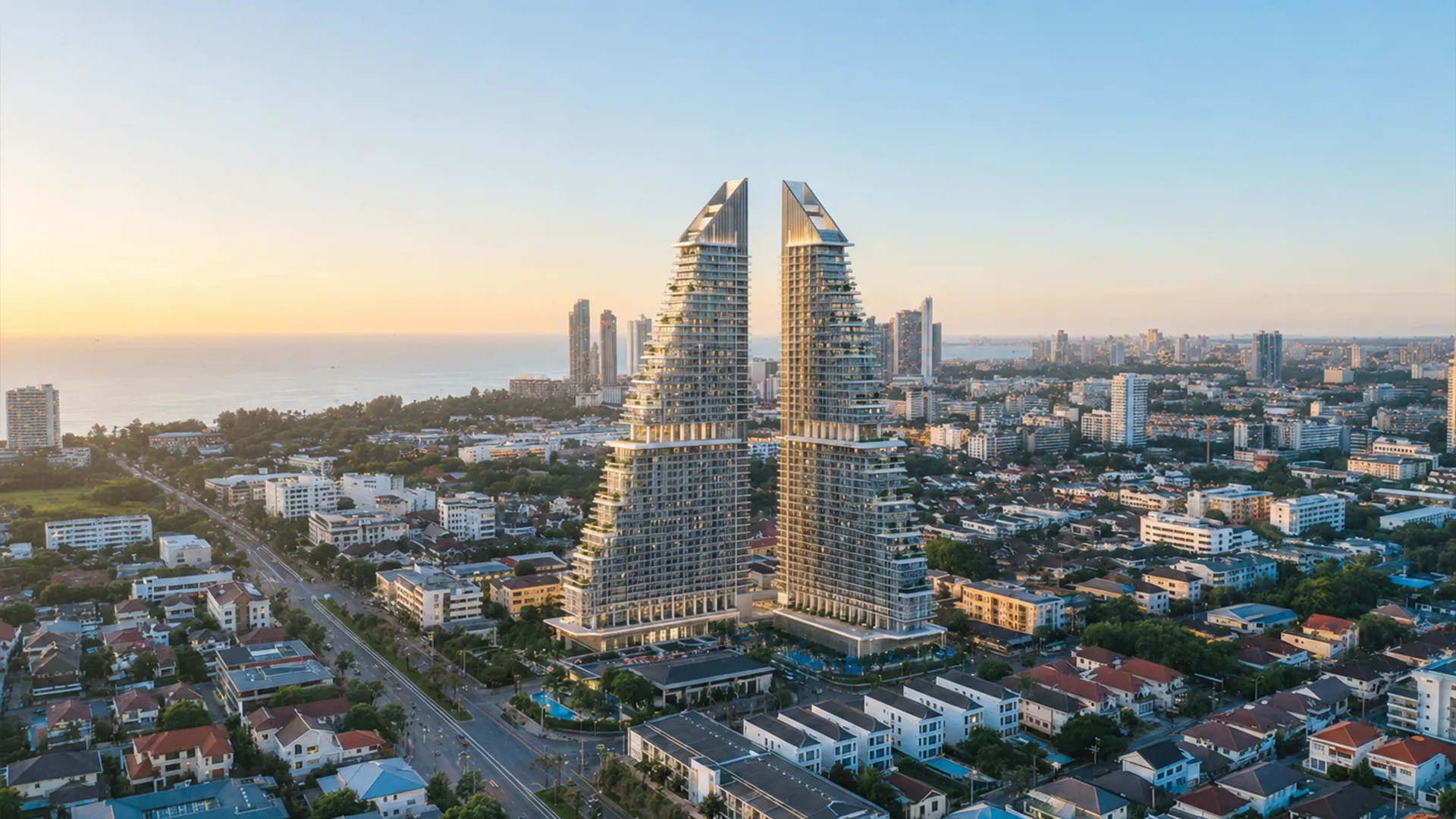
Choosing between Pattaya and Bangkok requires a broader perspective than simply comparing property prices or expected rental yields.
Flood exposure, infrastructure, lifestyle preferences, economic development, and the quality of an individual building can all influence a property’s long-term appeal.
Pattaya offers a distinct combination of coastal living and regional economic opportunities. For investors concerned about environmental risk, the city may provide suitable options in carefully selected locations, provided those properties are assessed on their own merits.
The best real estate investment is not necessarily in the most famous city. It is the property whose location, resilience, costs, and demand align with your investment goals.
Before making a decision, conduct thorough due diligence and seek professional advice where necessary. A well-informed purchase can help you manage risk while positioning your investment for the long term.
Global Top Group offers various luxury properties in Pattaya across popular neighborhoods, including Wongamat, Central Pattaya, Pratumnak Hill, and Jomtien.
Contact Global Top Group today to explore available properties and let us help you find the right condo rental for your needs.